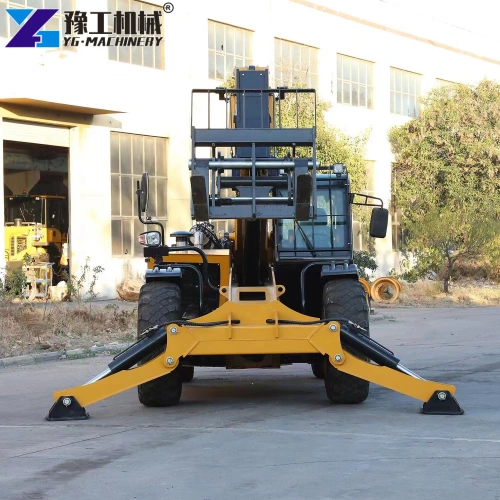
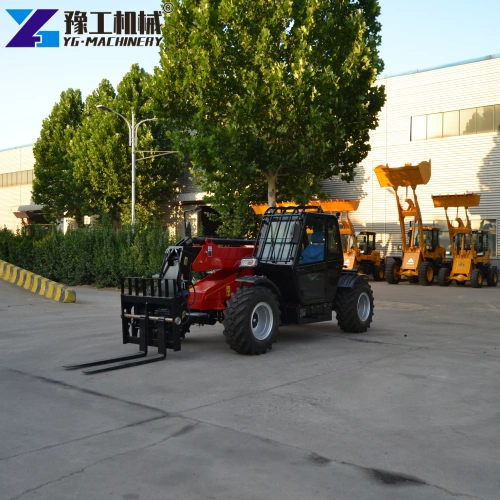
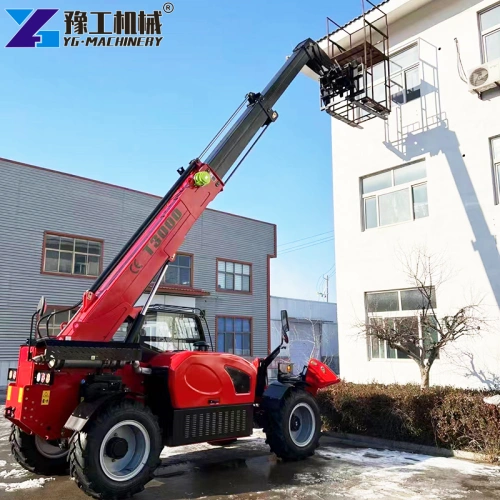
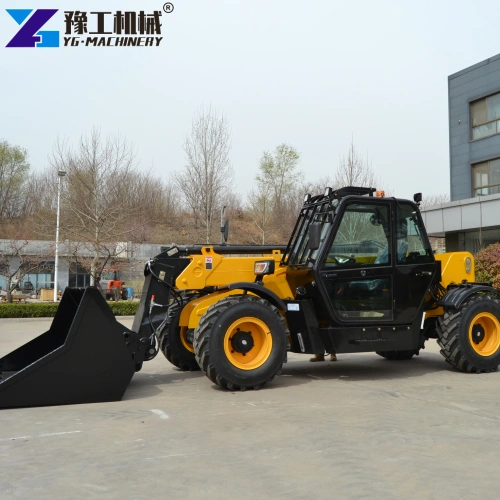
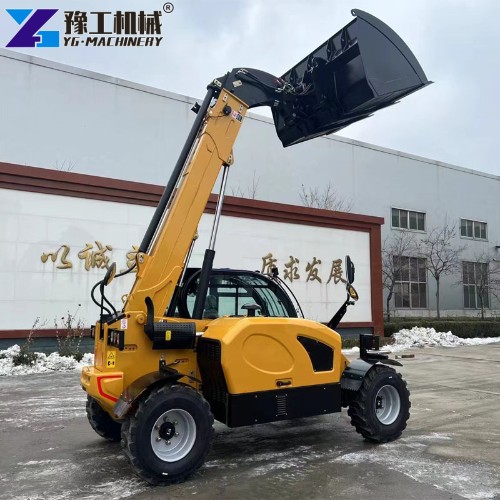
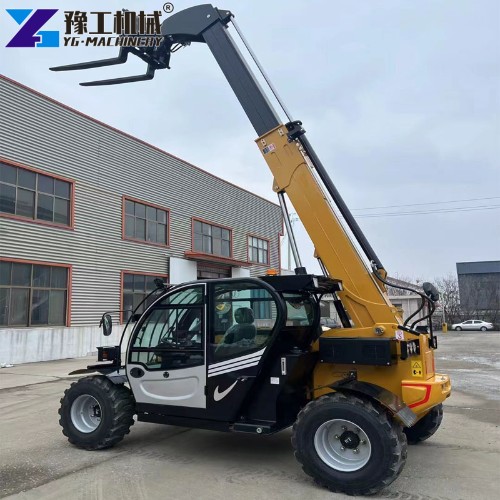
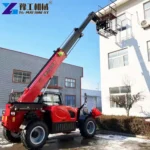
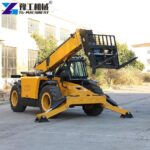
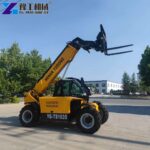
A telescopic telehandler is a versatile piece of equipment designed for all kinds of terrain. Thanks to its hydraulic telescopic boom and robust power, it excels in challenging environments and high-altitude tasks. This machine is perfect for various industries, including construction, agriculture, and logistics. With the ability to easily switch attachments, it can tackle multiple jobs, boosting efficiency by more than 35% compared to traditional machinery. In this article, we’ll explore its key benefits, different application scenarios, real-life customer experiences, and tips for choosing the right model. By the end, you’ll see why the telescopic telehandler is the go-to tool for getting things done efficiently.
Core Advantages and Terrain Adaptability of Telescopic Telehandler
Core Advantages: Data-Supported Practical Value
The main benefit of a telescopic telehandler is its combination of versatility and efficiency. With a rated load capacity between 1.5 to 5 tons, it can lift up to an impressive 17.55 meters and extend as far as 13.08 meters. This means it can cover a much larger area in a single operation compared to traditional forklifts. Plus, it comes with over 20 different attachments, allowing it to perform six different functions, including hoisting, handling, and aerial work, which can cut equipment purchase costs by 40%. On top of that, its engine delivers a traction force of at least 70kN, and it uses 15% less energy than similar models, helping you save even more money in the long run.
Terrain Adaptability: Unobstructed Passage in All Scenarios
The telescopic telehandler is designed to handle all kinds of terrain with ease. Thanks to its impressive 420mm ground clearance and four-wheel drive system, it can navigate muddy paths with slopes of up to 30° without breaking a sweat. In tight spots, it boasts a minimum turning radius of just 3.67 meters, making it perfect for maneuvering in compact areas like workshops and orchards. Plus, data indicates that it outperforms regular forklifts on unpaved roads, offering 50% more traffic efficiency and adapting seamlessly to over 90% of outdoor operation scenarios.
Segmented Industry Application Scenarios of Telescopic Telehandler
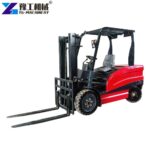
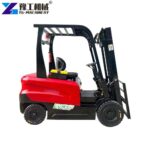
forklift with telescopic forks
Construction Industry: High-Rise and Complex Site Operations
In the construction world, a telescopic telehandler is essential for tackling high-rise projects. This versatile machine can lift prefabricated components and steel bundles to heights of over 17 meters, allowing for the precise placement of materials in spots that scaffolding can’t reach. When it comes to renovating older city buildings, its compact design enables it to navigate through narrow alleys, making it perfect for transporting materials without the hassle of larger equipment getting stuck.
Agricultural Field: A Good Helper for Large-Scale Farm Operations
On large-scale farms, a telescopic telehandler is a real game-changer for managing silage, hay bales, parts of agricultural machinery, and other materials. It can navigate soft ground like farmland and pastures without damaging crops or grasslands. With a grapple attachment, it makes loading and unloading feed and cleaning up manure a breeze. This one piece of equipment can do the work of eight workers, boosting farm efficiency by an impressive 60%.
Logistics and Warehousing: High-Altitude and Dense Storage Operations
telescopic forks forklift
In the world of logistics and warehousing, a telescopic telehandler really shines by maximizing vertical space. With an impressive lift height of 17.55 meters, it can easily reach goods stored on high shelves, boosting warehouse storage capacity by 30%. When it comes to loading and unloading containers, this machine can extend right into the box, which cuts down on the number of cargo transfers and enhances loading and unloading efficiency by 25%. This makes it a fantastic option for small and medium-sized logistics companies.
Landscaping and Municipal Engineering: Large-Scale Landscape and Facility Installation
In landscaping and municipal engineering, a telescopic telehandler can transport heavy objects such as large trees, landscape stones and street lamp poles. In urban park renovation, it can accurately complete the transplantation of adult trees to avoid root damage. In road construction, it can assist in the installation of traffic signs and guardrails, with an operational accuracy error of ≤5cm, improving project quality.
Industrial Scenarios: Auxiliary Handling of Heavy Equipment
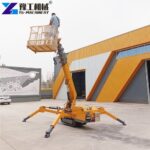
In industrial workshops, a telescopic telehandler is a real game-changer for moving heavy machine tools, component boxes, and other goods. It can navigate through workshop aisles with ease and accurately position heavy items at their designated workstations, which helps cut down on the need for cranes. Plus, when it comes to maintaining factory equipment, it can be fitted with a work platform attachment, allowing for high-altitude maintenance tasks without the hassle of setting up temporary scaffolding.
Case 1: Efficiency Improvement for a German Construction Company’s High-Rise Projects
Customer: Thomas from Munich, Germany, runs a company focusing on high-rise residential construction.
Pain Points: Previously, tower cranes and forklifts were used together for operation. There were many material transfer links, and high-altitude material placement was time-consuming. Material transportation for a 10-story residential project took 12 days.
Solution: Purchased YG-TS1850 model telescopic telehandler, paired with extendable fork lift attachment and work platform for precast slab hoisting and high-altitude operations.
Results: Material transportation time was reduced to 5 days, equipment coordination costs were cut by 35%, and the high-altitude operation safety accident rate was zero. Thomas said: “The equipment can directly reach high-rise operation points and accurately place materials, saving about 30,000 euros in operating costs a year.”
Case 2: Silage Handling Optimization for a Canadian Farmer
Customer: Sophia from Alberta, Canada, owns a 1,000-acre dairy farm.
Pain Points: Traditional silage handling required 3 equipment to cooperate, which was time-consuming and labor-intensive. Annual labor + fuel costs exceeded 50,000 US dollars, and the feed loss rate was 10%.
Solution: Purchased a compact telehandler for sale and YG-TS1440 model telescopic telehandler, equipped with grapple attachments for silage loading, unloading and transfer.
Results: Only 2 equipment + 1 operator can complete all operations, time-consuming was reduced by 40%, feed loss rate dropped to 3%, and annual cost savings were about 22,000 US dollars. Sophia said: “The equipment travels smoothly on the soft ground of the pasture, and the loading and unloading efficiency exceeds expectations.”
Is telescopic telehandler suitable for indoor operations?
Yes. Some models (such as YG-TS1035) have an overall height of only 2.4 meters, which can pass through standard factory gates. Its low-noise design (operating noise ≤75 decibels) will not affect the indoor operating environment.
How to choose attachments for telescopic telehandler?
Choose according to operation needs: forks for transporting goods, work platforms for high-altitude operations, grapples for grabbing loose materials, and buckets for excavation. We can provide attachment adaptation suggestions.
What is the price range of telescopic handler price?
The price ranges from 15,000 to 50,000 US dollars depending on the model and configuration. Basic models have higher cost performance, while high-end models are suitable for heavy-duty and high-frequency operation scenarios.
How to Choose a Cost-Effective Telescopic Telehandler?
When you’re making a choice, there are three key things to keep in mind: First, think about the operational needs—go for 1.5-3 ton models for lighter tasks and 3-5 ton models for heavier ones. Second, check how well the equipment can handle different terrains—opt for four-wheel drive models if you’re working in rough outdoor conditions. Third, make sure the attachments you need are compatible with the equipment. Plus, it’s a good idea to pick a reputable manufacturer (like YG Machinery) to ensure you get reliable quality and solid after-sales support, which can save you from maintenance headaches down the line.