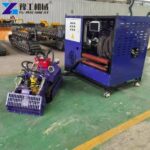
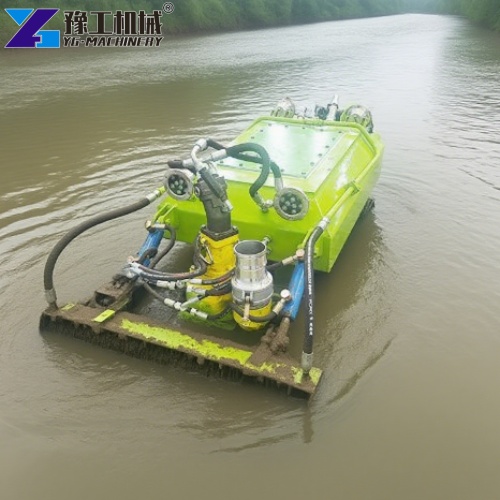
With rising industrial wastewater treatment demands, traditional manual cleaning no longer meets efficiency and safety requirements. The sewage tank cleaning robot provides a high-efficiency, intelligent, and low-maintenance solution. It is ideal for chemical plants, livestock farms, electroplating facilities, and other industrial sites.
Contact YG Machinery to get a personalised cleaning solution and quotation.
Sewage Tank Cleaning Robot Working Principle and Application Scenarios
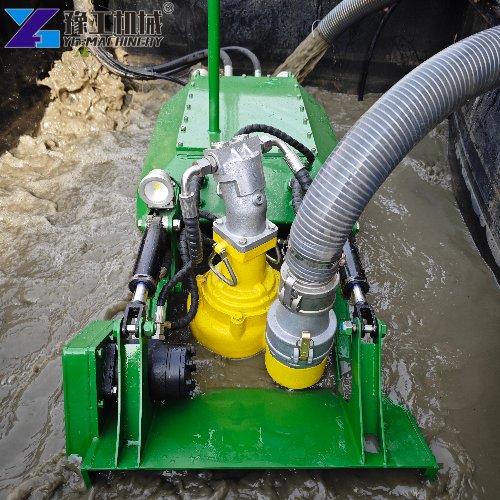
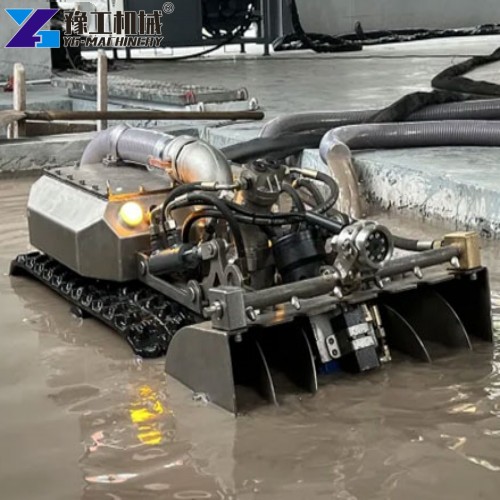
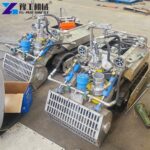
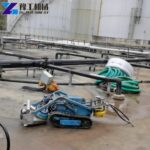
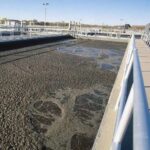
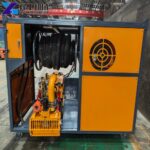
The device uses an electric-driven crawler system and a powerful slurry pump to remove sludge efficiently. Equipped with a camera navigation system, it allows precise underwater positioning. The YG sewage tank cleaning robot is the flagship product designed to address the challenges of industrial and municipal wastewater treatment. It features an electric-driven crawler system and a powerful slurry pump to efficiently remove accumulated sludge. Equipped with a high-definition camera navigation system, it ensures precise underwater positioning and remote control. Widely used in sedimentation tanks of chemical and pharmaceutical plants, aquaculture ponds, municipal wastewater treatment plants, and power plant circulating water tanks, its IP68 waterproof rating and optional anti-corrosion configurations allow for safe and continuous operation, even in confined or corrosive environments. Applications include:
Sedimentation tanks in chemical and pharmaceutical plants
Aquaculture ponds
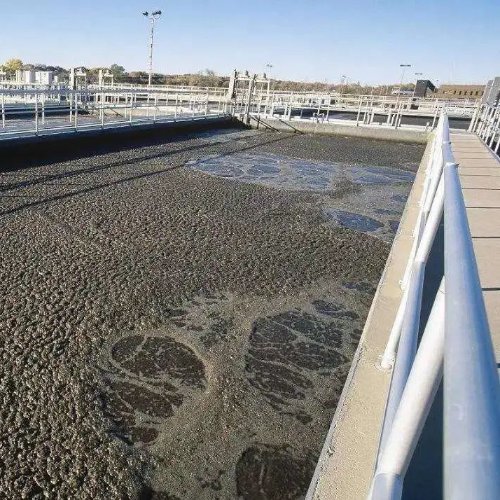
Municipal wastewater treatment sedimentation tanks
Power plant circulating water tanks
Beyond wastewater management, YG’s robot platform, through customised upgrades, transforms into an indispensable process tank cleaning robot for high-end industrial sectors. In industries such as fine chemicals, food and beverage, and petrochemicals, production vessels, storage tanks, or mixing tanks require regular, meticulous cleaning to prevent cross-contamination between batches and ensure product purity. Our process tank cleaning robot can be equipped with specialised ATEX explosion-proof motors and high-grade anti-corrosion coatings, ensuring the safe and reliable removal of residues and sediments when dealing with acidic, alkaline, or flammable media. This significantly reduces the need for manual entry into hazardous spaces and minimises costly downtime, thereby guaranteeing production continuity and the highest quality standards.
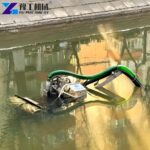
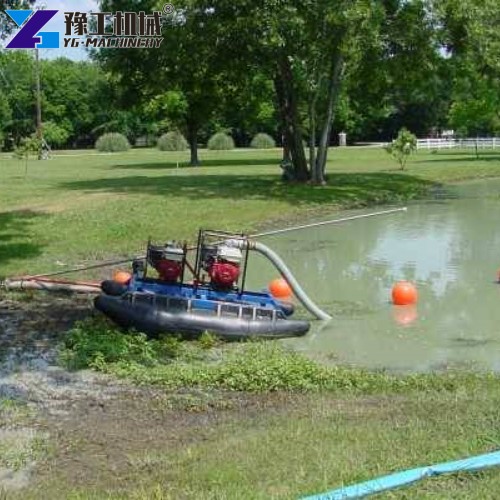
The scope of YG’s robot technology further extends into environmental and hydraulic engineering, leading to the specialized river dredging robot. For silt removal in urban rivers, lakes, and harbors, traditional large machinery operations are often restricted by water depth and environmental conditions, alongside high costs. Our dredging robot is compact and highly maneuverable, allowing it to easily access shallow waters, narrow channels, or ecologically sensitive areas. Through remote control and precise dredging, it effectively removes bottom sediments, improves water quality, and helps restore river ecological functions. The river dredging robot represents a more environmentally friendly, economical, and minimally invasive approach to waterway maintenance.
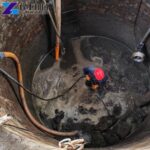
The robot operates safely even in enclosed or corrosive environments.
cooling tower pool sludgesedimentation tank dredgingdredging robot price
The system supports continuous operation. Compared to manual or suction-based cleaning, efficiency is increased about three times, and operational costs are reduced by roughly 40%.
Carlos from Chile operates an industrial wastewater treatment plant. Traditional cleaning was inefficient and required frequent downtime. Using the sewage tank cleaning robot, he cleaned three sedimentation tanks in two days. The camera navigation system allowed precise control, fully removing sludge, improving water quality, and reducing labour risks.
How to Ensure Long-Term Stable Operation
Inspect motor, seals, and crawler system regularly
Rinse pump and pipelines after each operation
Use explosion-proof motors for corrosive media
Keep camera lenses clean for visibility
Calibrate remote controls and signal modules periodically
Following these steps ensures over 5,000 hours of stable operation.
How to Maximise Cleaning Efficiency in Large Tanks
Operate the sewage tank cleaning robot in overlapping passes to fully remove sludge. Adjust pump flow and crawler speed according to sediment thickness. Use the camera navigation system to focus on denser areas. Short multiple sessions prevent pump overheating and maintain consistent cleaning performance.
Maintenance Tips for Harsh Chemical Environments
When cleaning acidic or corrosive wastewater, select anti-corrosion coatings and explosion-proof motors. Rinse all contact surfaces with neutralising solution after operation. Inspect seals and pipelines daily, replacing worn parts immediately. Keeping sensors clean ensures accurate navigation and prolongs robot’s lifespan.
YG Machinery delivers reliable cleaning equipment and expert support worldwide. Our sewage tank cleaning robot has been successfully used in Chile, Malaysia, Saudi Arabia, and other countries. If you need a safe and high-efficiency sludge removal solution, contact YG Machinery for a quotation and technical guidance today.